

Duration: 09/20/2025 – 09/26/2025
Outline: Denver – RMNP – Denver – Colorado Springs
We finally made it to Colorado! This trip had been on our minds for a while, partly because we’d never seen the Rockies in full fall color, and partly because we were hoping to catch that perfect overlap of golden aspens and snow-dusted peaks. The plan was pretty simple: fly to Denver, rent a car, drive into the mountains, and hike. We don’t have packed itinerary, just a rough idea and some park reservations. Here’s our week long loop from Denver to Rocky Mountain National Park, with a side trip to Colorado Springs.
09/20 Arrival in Denver & Drive to Estes Park
We landed in Denver around 9:30am and made our way to the rental car area. Denver’s rental car setup is a bit unique. Each company has its own shuttle even though they’re all located nearby, so you’ll need to find and hop on the right bus. We had originally booked an intermediate sedan, but the staff at Enterprise suggested we switch to a 4WD SUV due to Colorado’s traction laws. We took the suggestion and once we got into the mountains, it felt like everyone had a 4WD.
Before heading to the park, we stopped in Boulder to visit a friend. Boulder sits at the foot of the Flatirons and is home to the University of Colorado Boulder. It’s a lovely college town just an hour from RMNP.
In late afternoon, we were on the road to Estes Park, the eastern gateway to RMNP. We stayed at Murphy’s Resort, a dated but clean and comfortable hotel. This place came with some hidden perks: free bike rentals, 2-hour unlimited rides on a mountain coaster, a hot tub, and popcorn in the lobby. Breakfast was super basic, so if breakfast matters to you, plan something else.
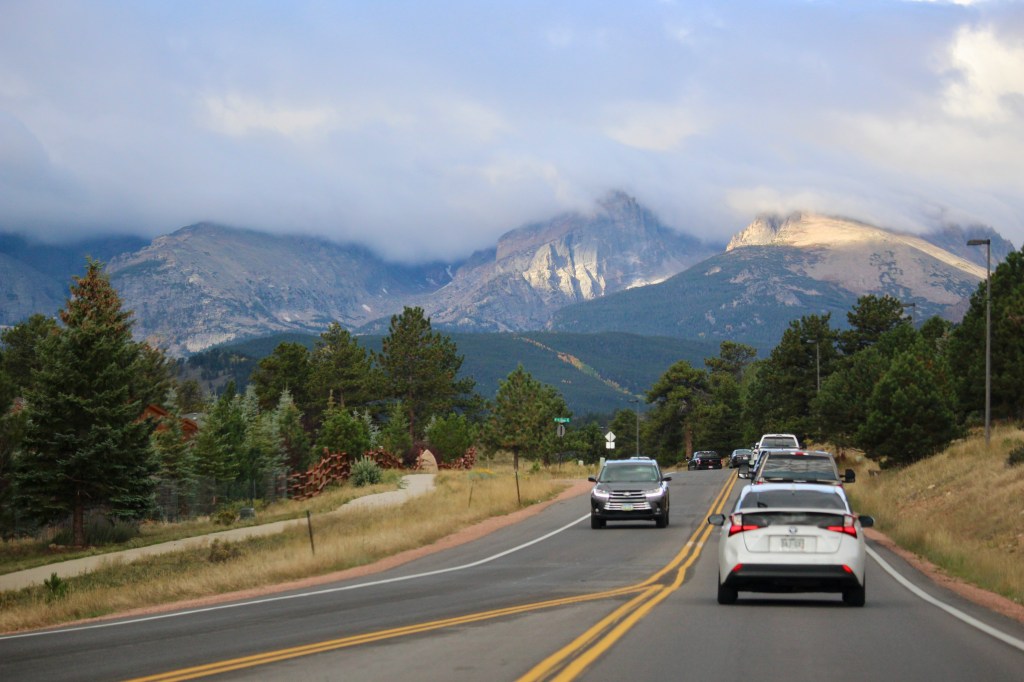
The evening we strolled over to Lake Estes, just a 3-minute walk from the resort. It’s a peaceful spot with wide views of mountains. For dinner, we tried Hunter’s Chophouse next door. I ordered salmon, and my husband got elk steak. Both were cooked to perfection, but a bit pricy. We also met a charming couple in their 60s who’ve been on their road trip from Michigan to Estes Park every year since 2013, and they always stay at Murphy’s. Love that kind of tradition.
09/21 – Trail Ridge Road & Fall Colors
Traveling west helps avoid crowds by making it easier to wake up early. Today we took a full-day scenic drive along Trail Ridge Road from Beaver Meadows to Grand Lake, stopping wherever looked interesting.
Trail Ridge Road is the highest paved road in North America, topping out over 12,000 feet. It cuts across alpine tundra, forests, valleys, and offers insane views the whole way. September is also elk rutting season, and we saw dozens of elk and mule deer bugling right near the roadside.
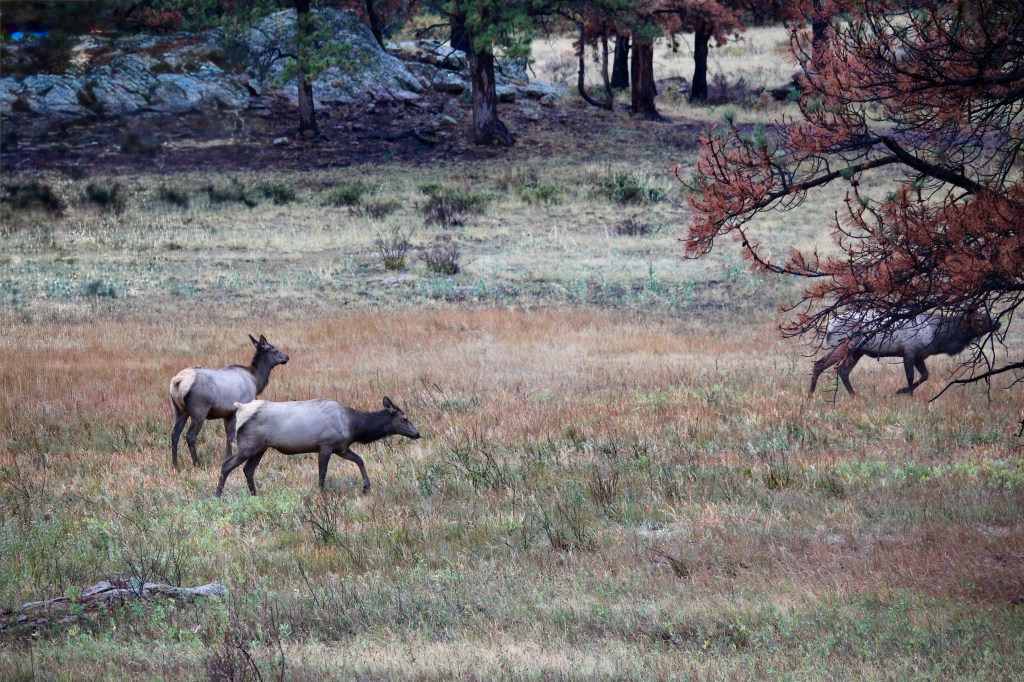
Our main stops included:
Many Parks Curve Overlook: sweeping views of multiple valleys, dotted with golden aspens.
Rainbow Curve Overlook: has restrooms and looks out over the historic Old Fall River Road (the park’s first scenic road). We originally planned to drive that road later in the week, but a Monday night storm closed it.
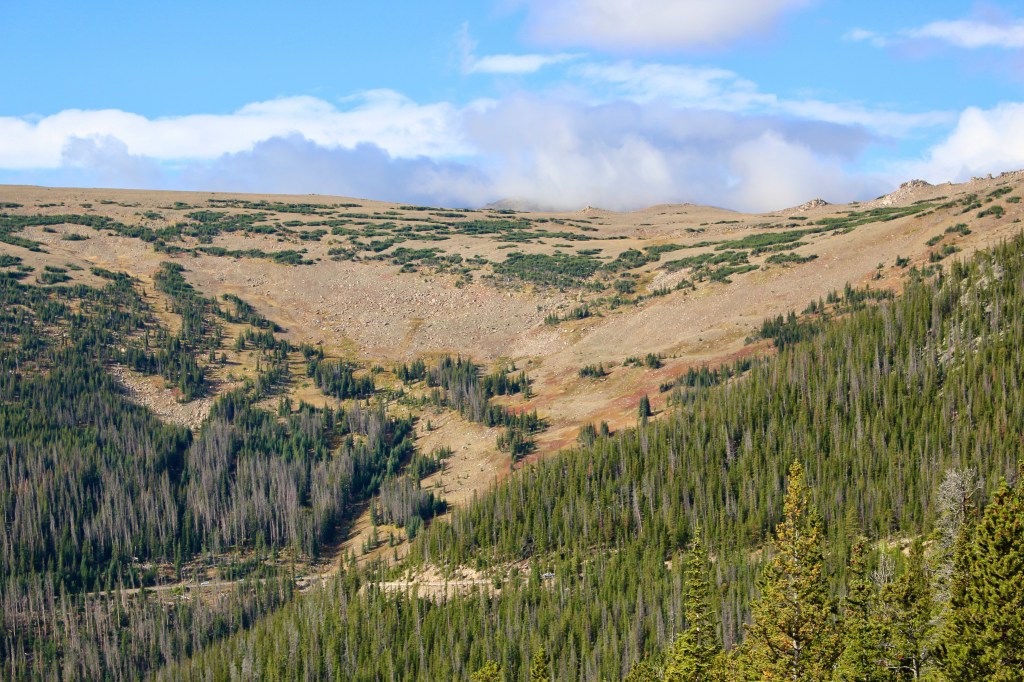
Tundra Communities Trailhead: we hiked a short trail to Mushroom Rock, with epic views of Trail Ridge Road. The wind was brutal. It’s very high altitude feel, almost like being on a Tibetan plateau.
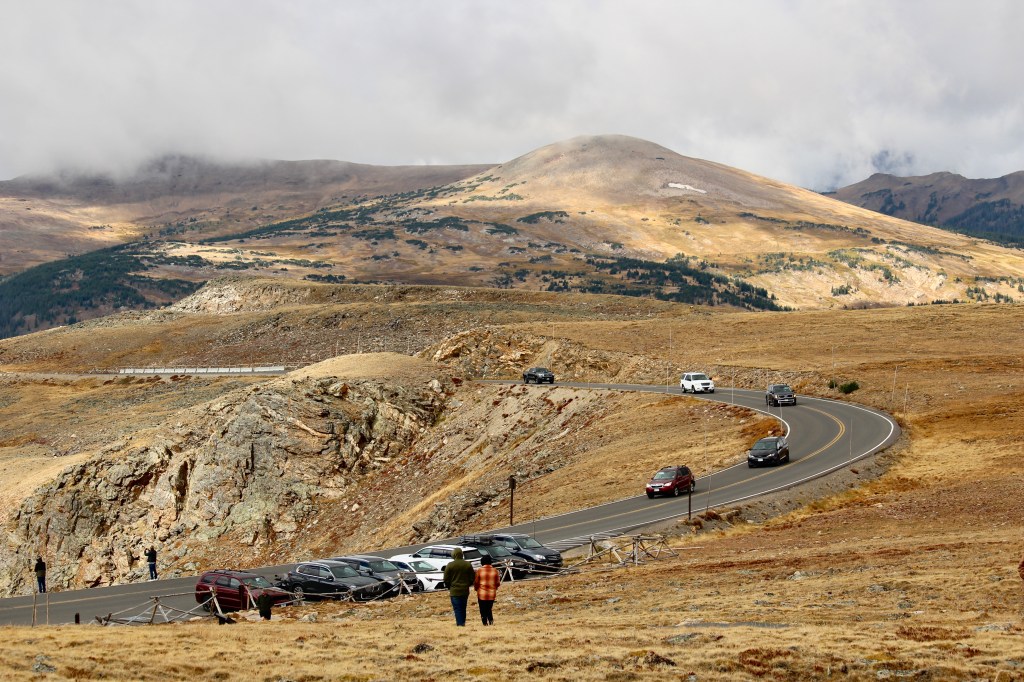
Lava Cliffs Overlook: dramatic black cliffs, remnants of ancient volcanic activity.
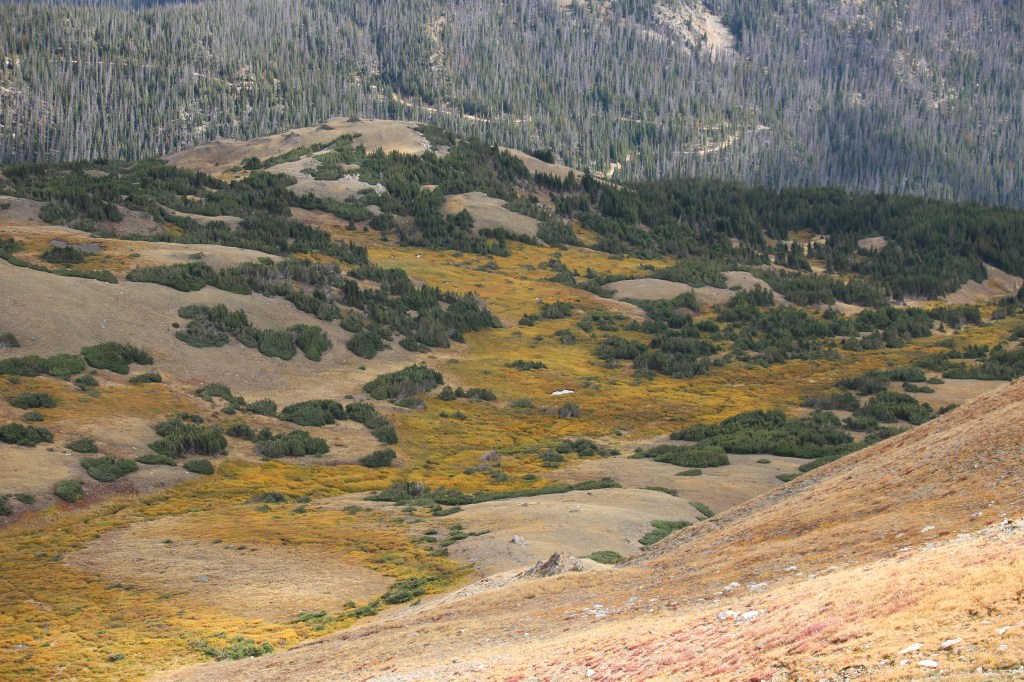
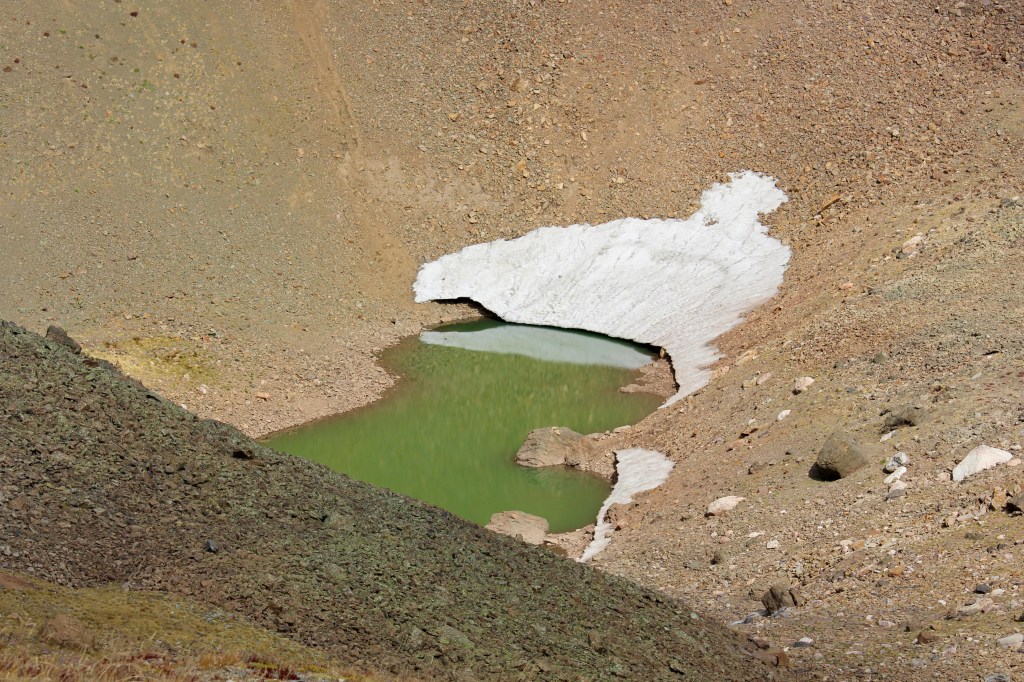
Gore Range Overlook: another tundra viewpoint.
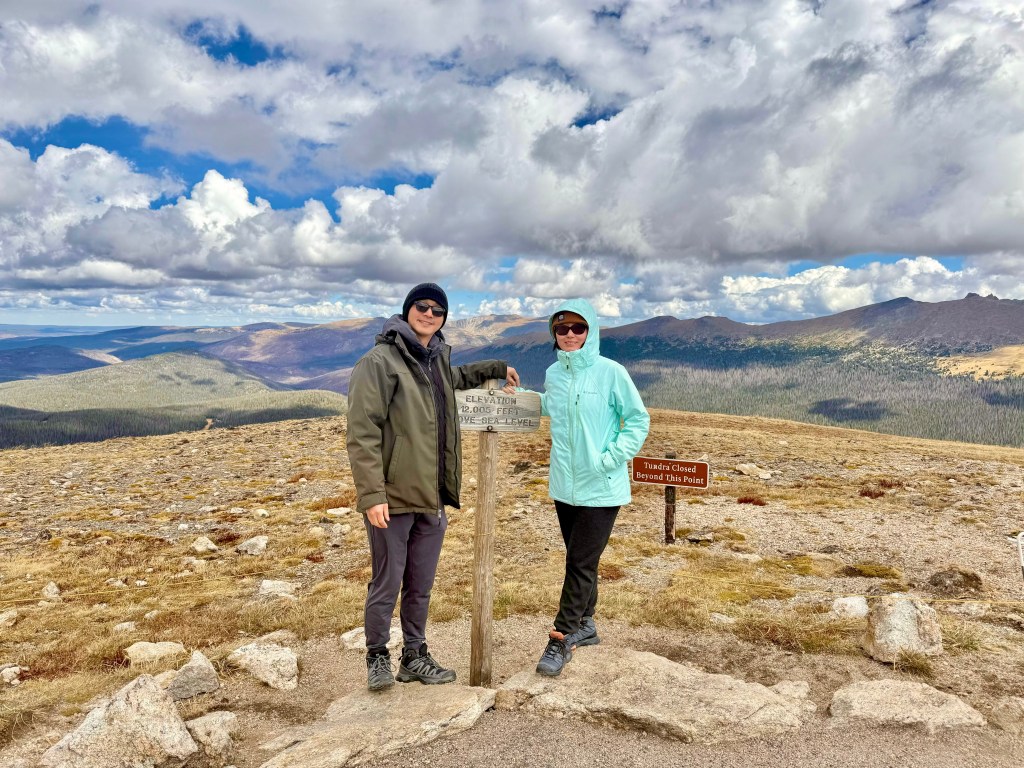
Alpine Visitor Center: the highest point on the road. We did the Alpine Ridge Trail, climbing up to 12,005 ft.
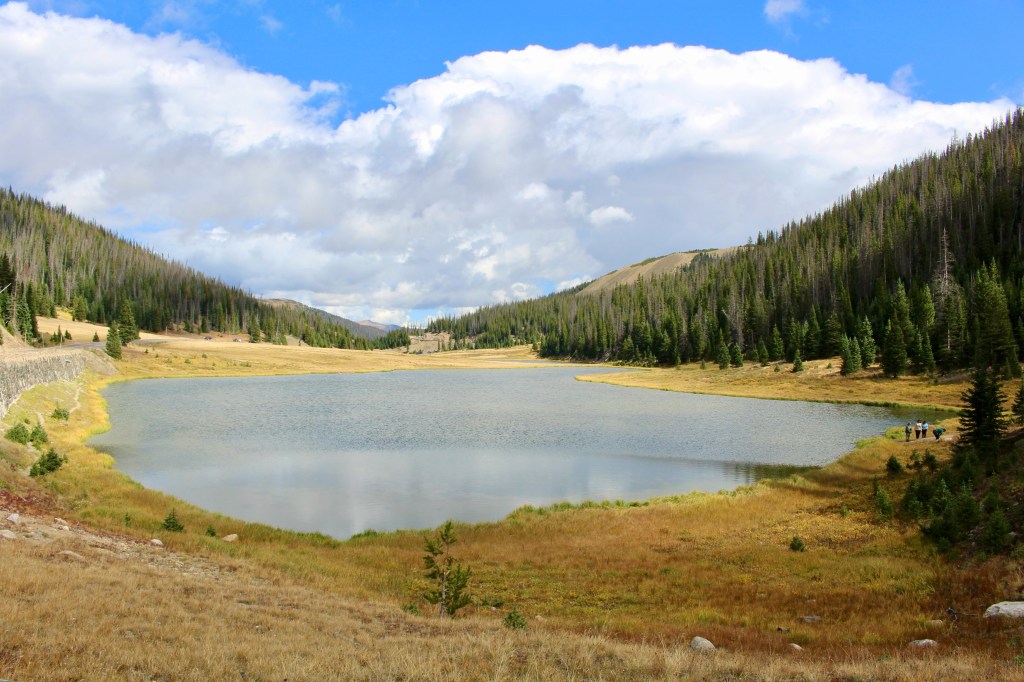
Poudre Lake: sunlight sparkled on the lake like a Monet painting. This is also the Continental Divide, where water flows either to the Atlantic or Pacific Ocean.
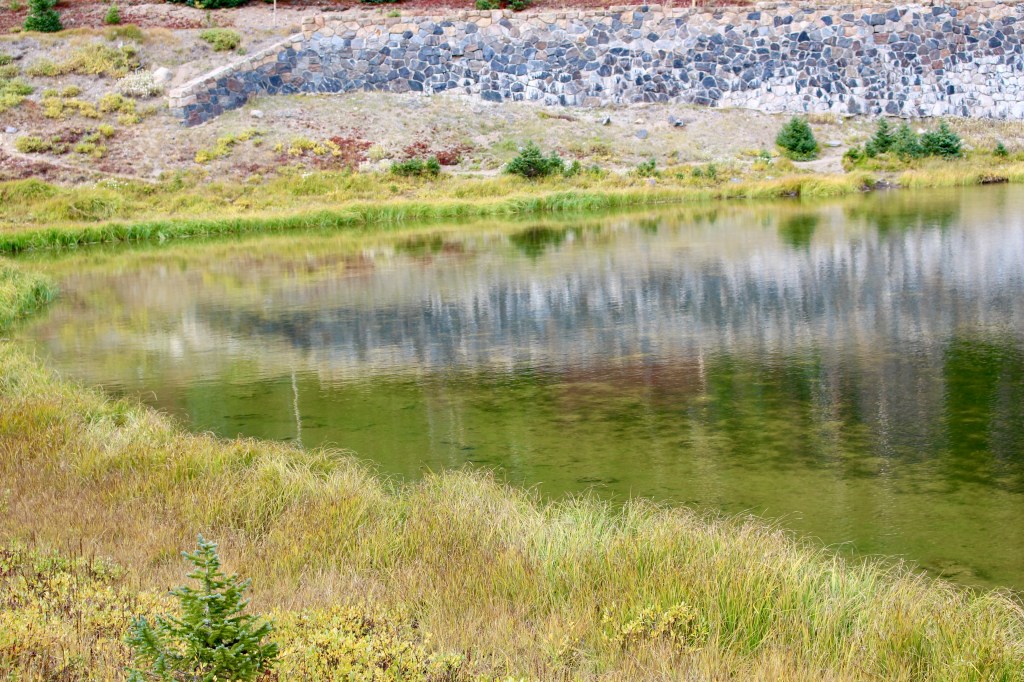
We finished the drive at Grand Lake, a quiet little town on the western edge of RMNP. We walked a segment of the Continental Divide Trail along Shadow Mountain Lake, surrounded by golden aspens glowing across the water.
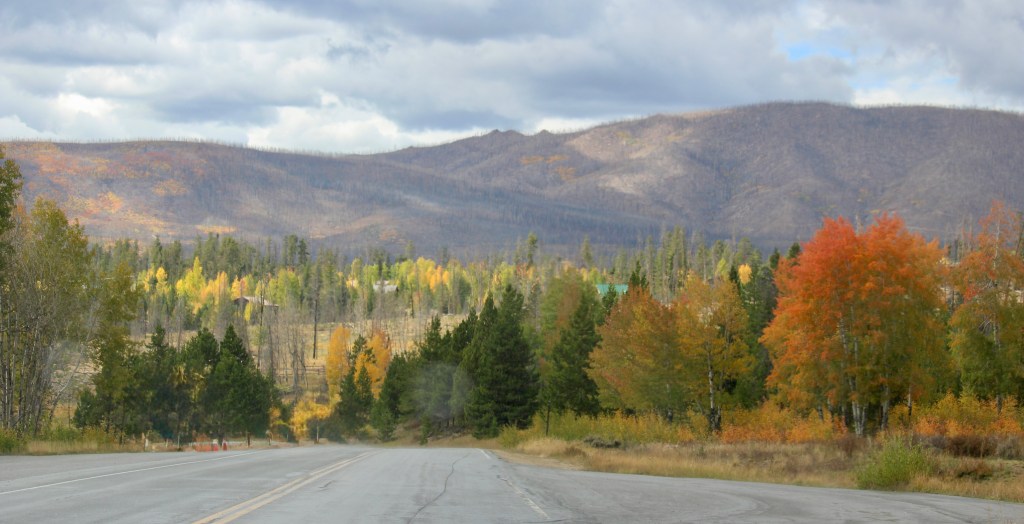
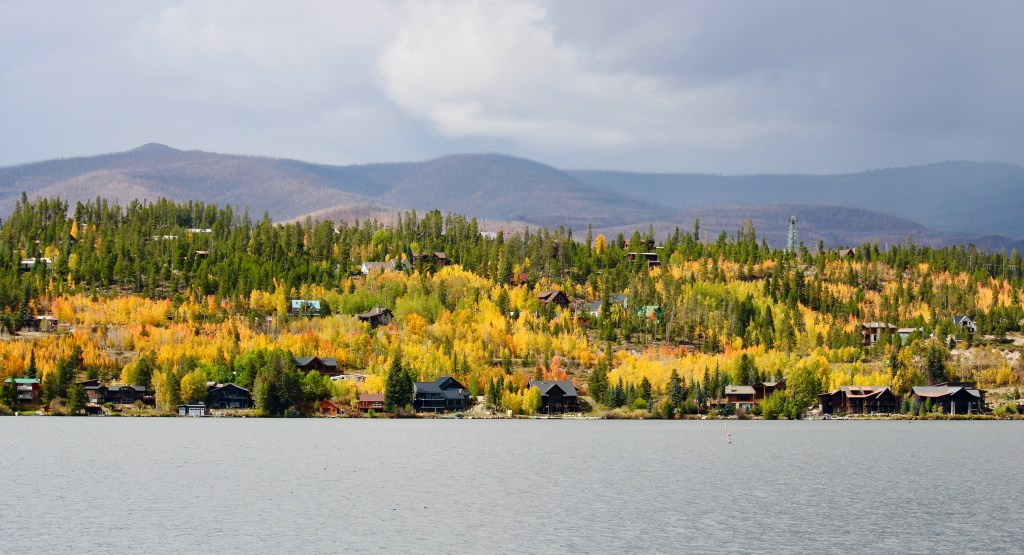
Dinner was back in Estes Park at Cafe de Pho Thai. We ordered pho and spring rolls, but honestly, it didn’t live up to expectations. Would skip next time.
09/22 – Fly Fishing
Today was all about fly fishing. We booked a 4-hour guided tour with Kirk’s Flyshop. We met our guide around 8:15 AM, suited up in waders and boots, bought a one-day fishing license, and drove out to a private section of Big Thompson Creek. Kirk was our guide; he is the store owner and has been doing this job for the last 25 years.
Unlike traditional bait fishing, fly fishing uses artificial flies and is mostly about technique and rhythm. It’s easy to get the hang of, after just a few casts, I began to feel the connection between my movements and the water. The area is under special regulations, so it’s catch and release. Between us, we caught around 13 trouts: mostly brown or rainbow trouts under 12 inches, but also two big rainbow trout (18” and 14”), which put up quite the fight and left me feeling accomplished. The shop also provides gear rental, and it’s quite affordable. As we spent hours in the crisp and cool air, it was thrilling, peaceful, and absolutely addictive. We’re already thinking about getting gear back home in Georgia, eager to explore new waters and refine our technique, hoping to replicate the joy and excitement we experienced on this trip.
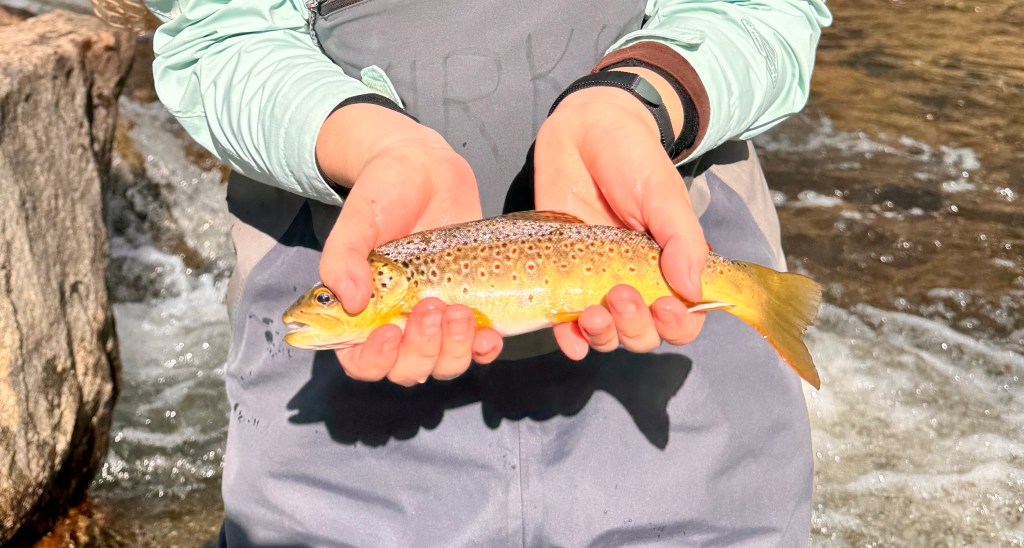
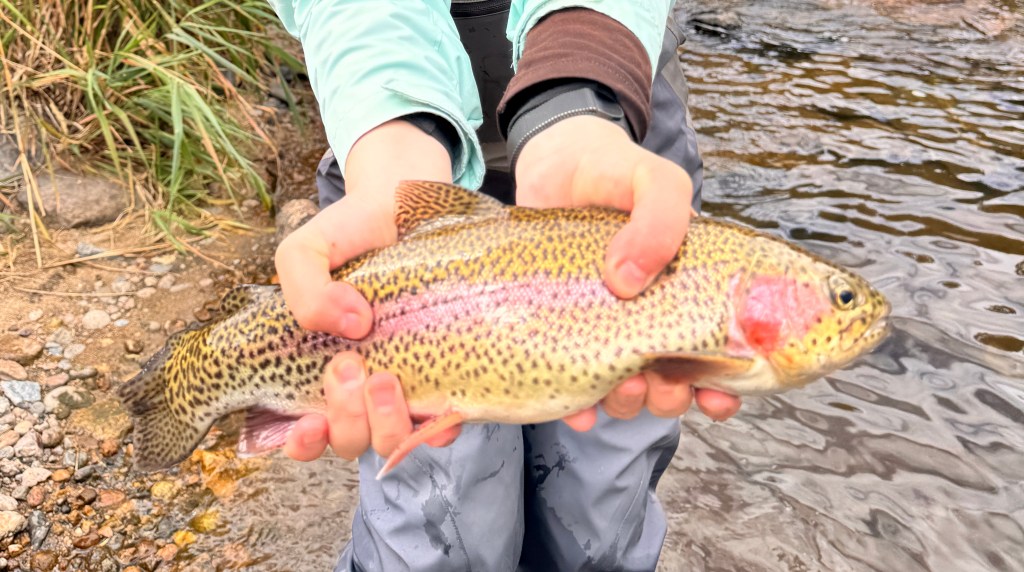
After fishing, we ate at Smokin’ Dave’s BBQ. Highly recommended. I had the brisket burger, and my husband got the two meat platter (St. Louis ribs + grilled half chicken). So satisfying.
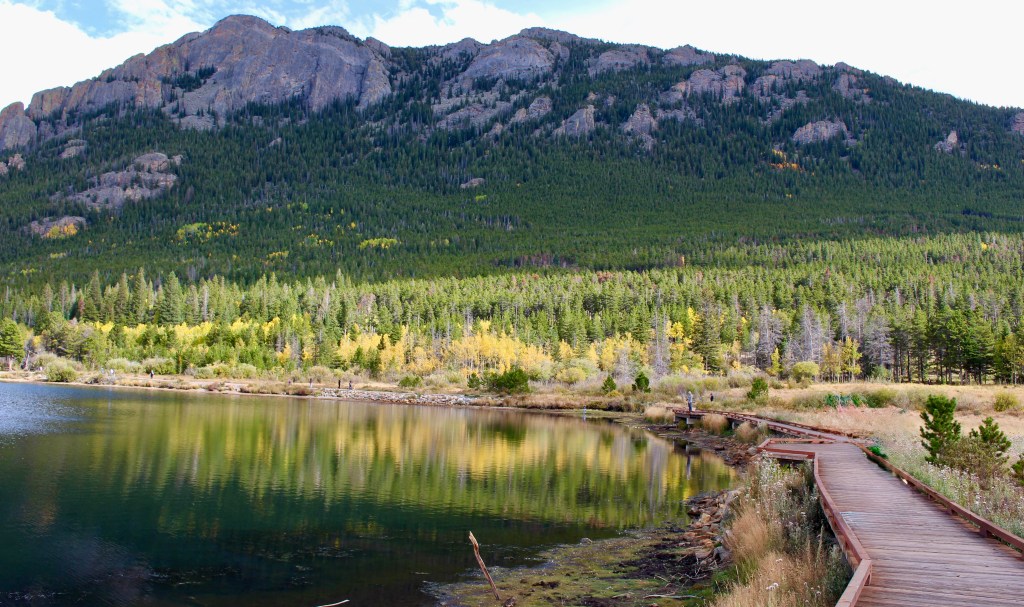
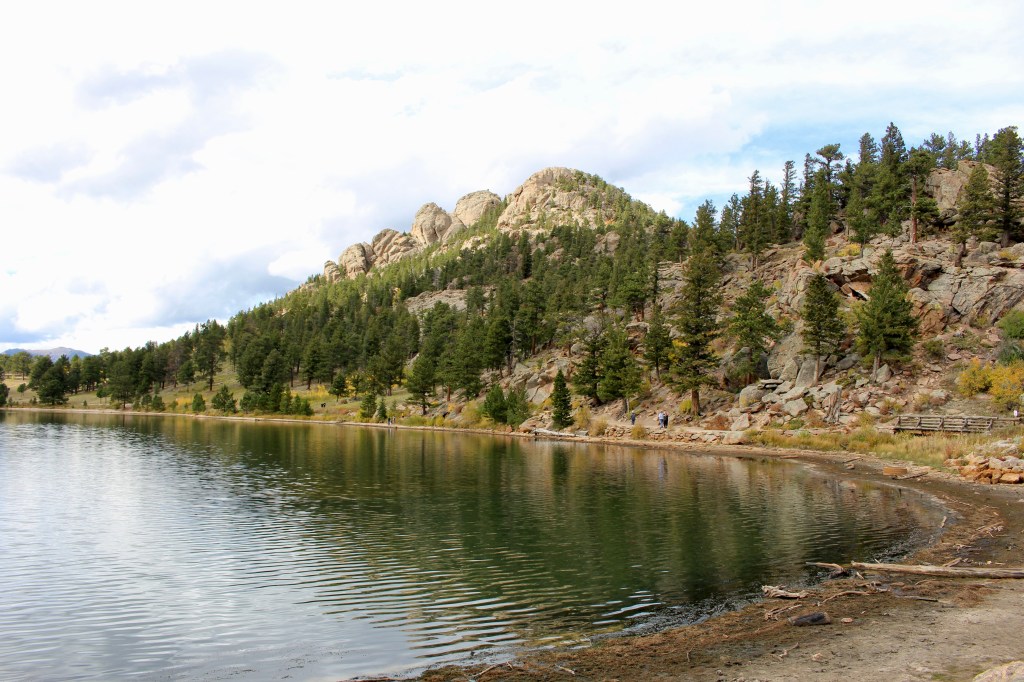
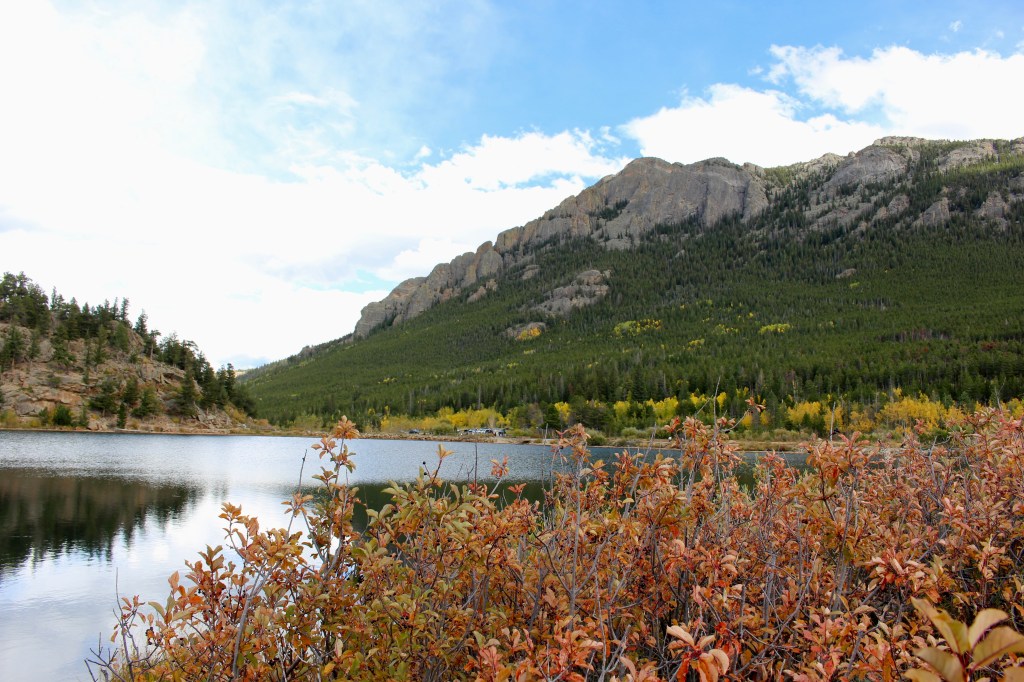
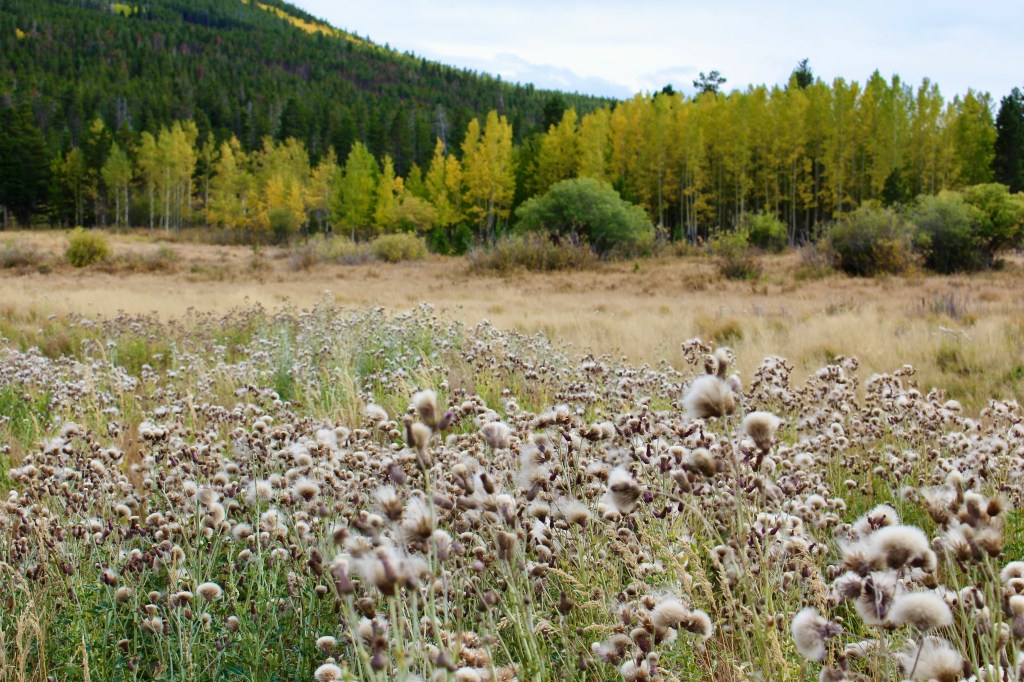
Later, we took a drive on the Peak to Peak Scenic Byway and stopped at Lily Lake for a short loop walk. What we loved was how every step gave a different perspective: sunlight, reflections, and mountain backdrops. This is a hidden gem.
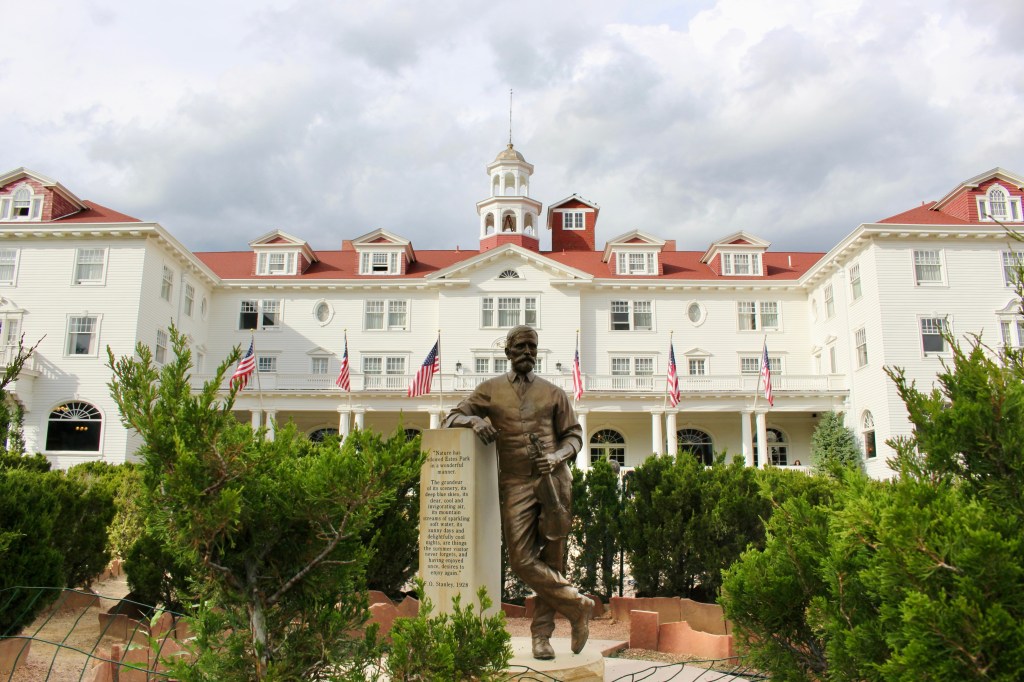
We also swung by the Stanley Hotel, made famous as the inspiration for The Shining. Stephen King stayed here and the vibe inspired him to write the novel. They now offer ghost tours, but we just explored on our own.
09/23 – Snowy Bear Lake Loop
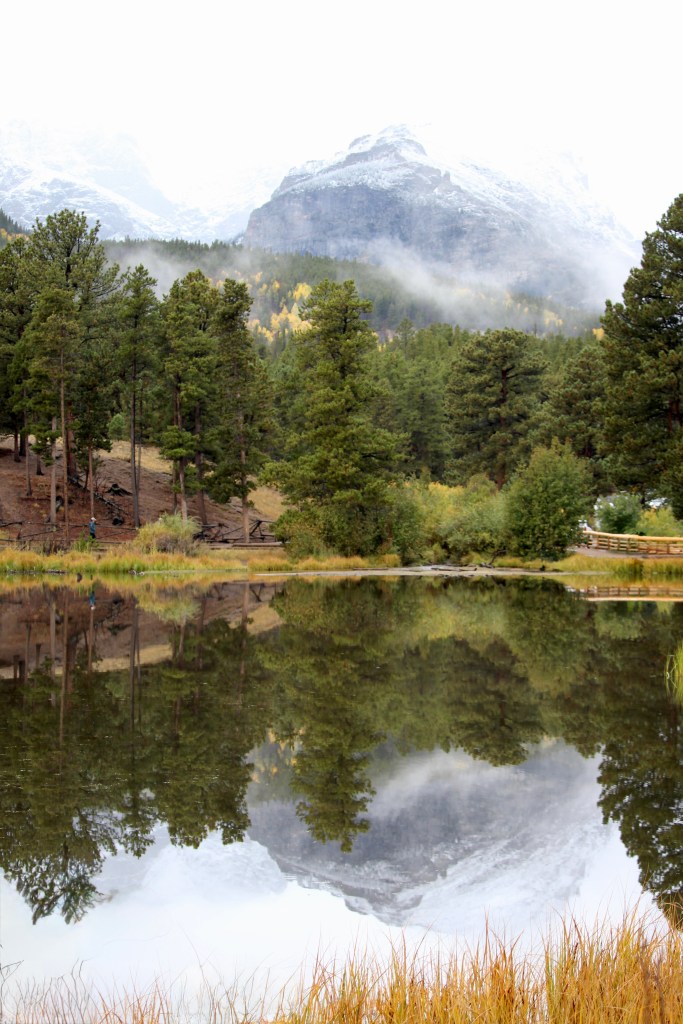
We entered the Bear Lake corridor right before 8 AM using our early morning permit. Started with a short walk around Sprague Lake, where we caught picture perfect mountain reflections in the calm water.
Then came our main hike: a 5.4-mile loop covering:
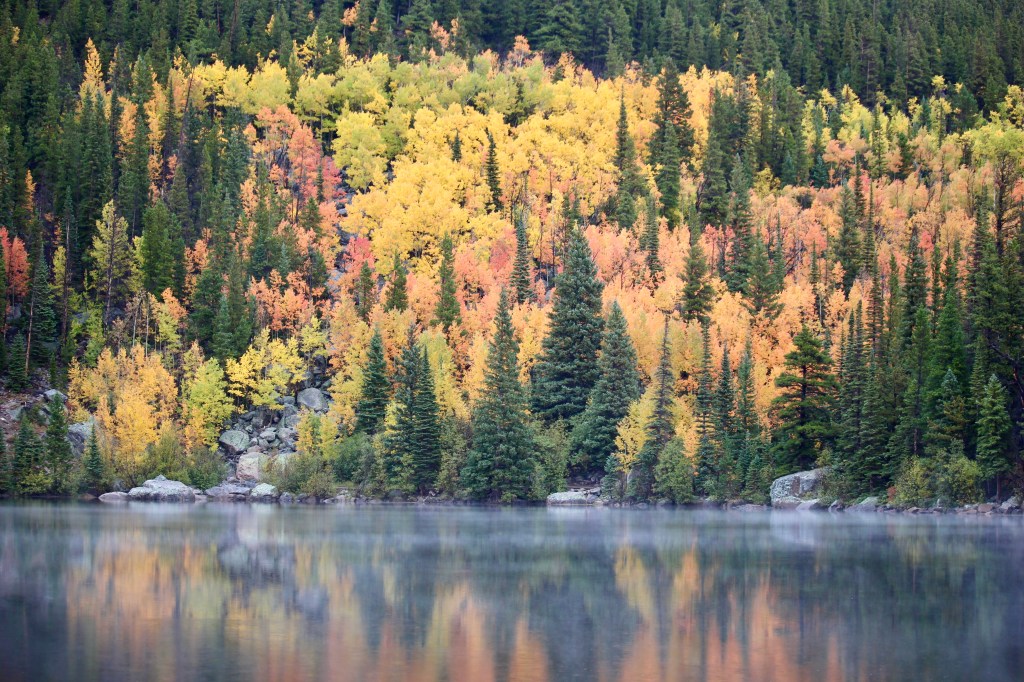
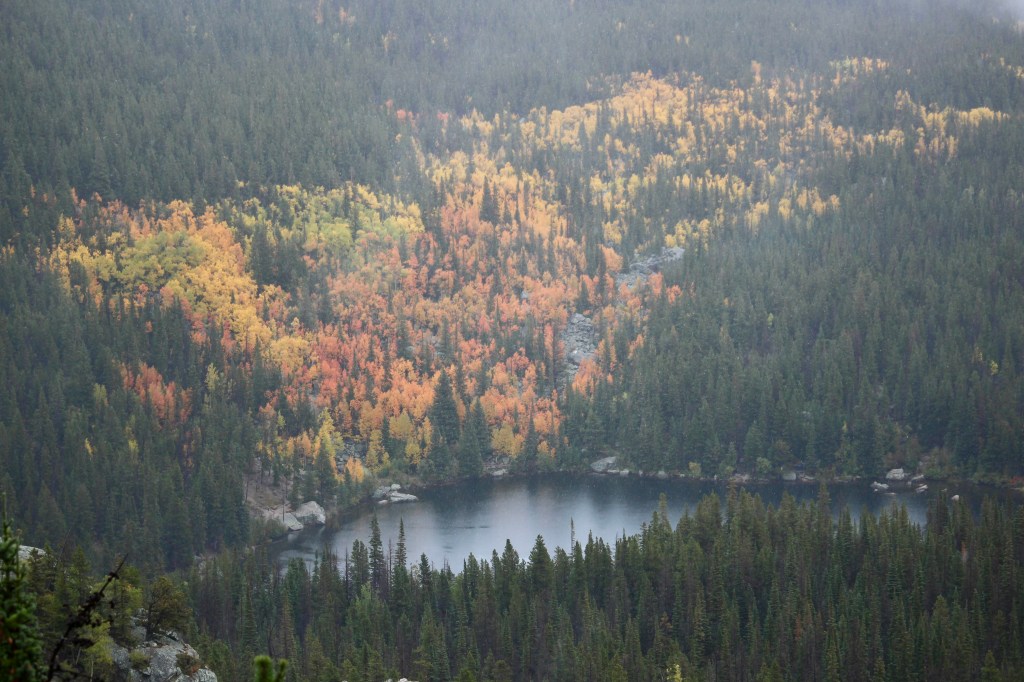
Bear Lake: vibrant lake, surrounded by golden aspens.
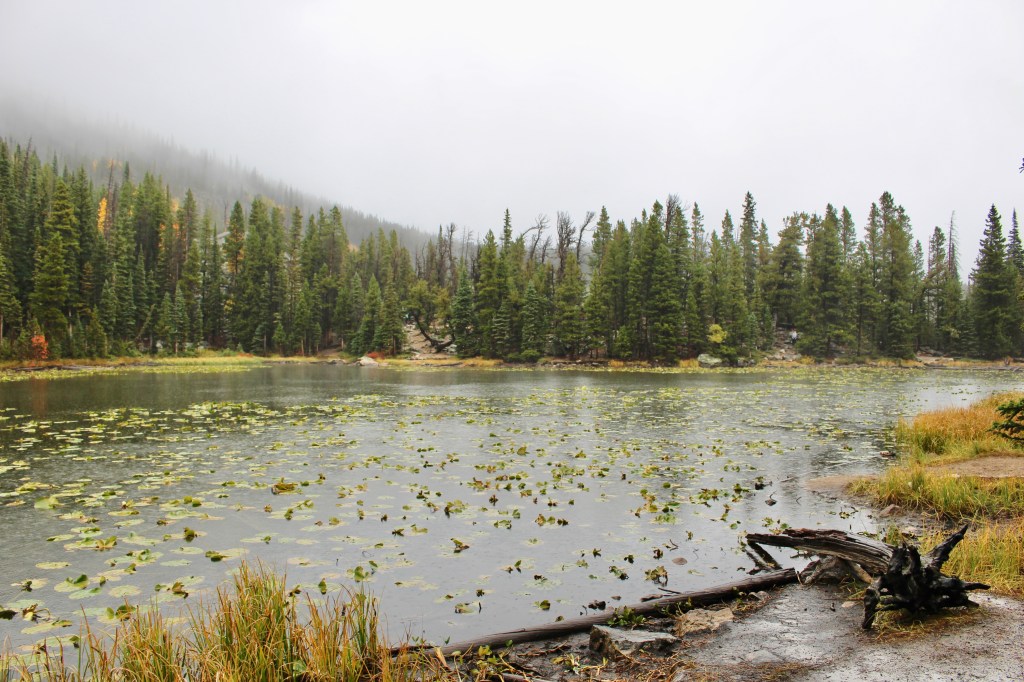
Nymph Lake: small and round, with lily pads floating across the surface.
Lake Haiyaha: wild, with massive boulders and turquoise water. There is a dead tree said to be hundreds of years old.
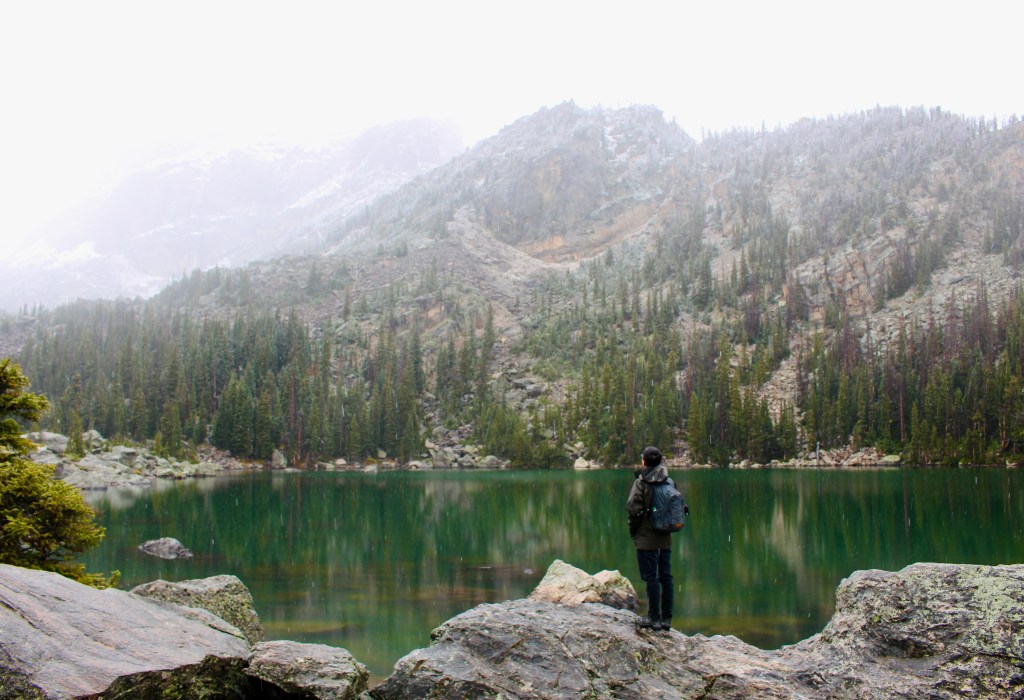
Dream Lake: long and narrow, with super clear water where I spotted trout.
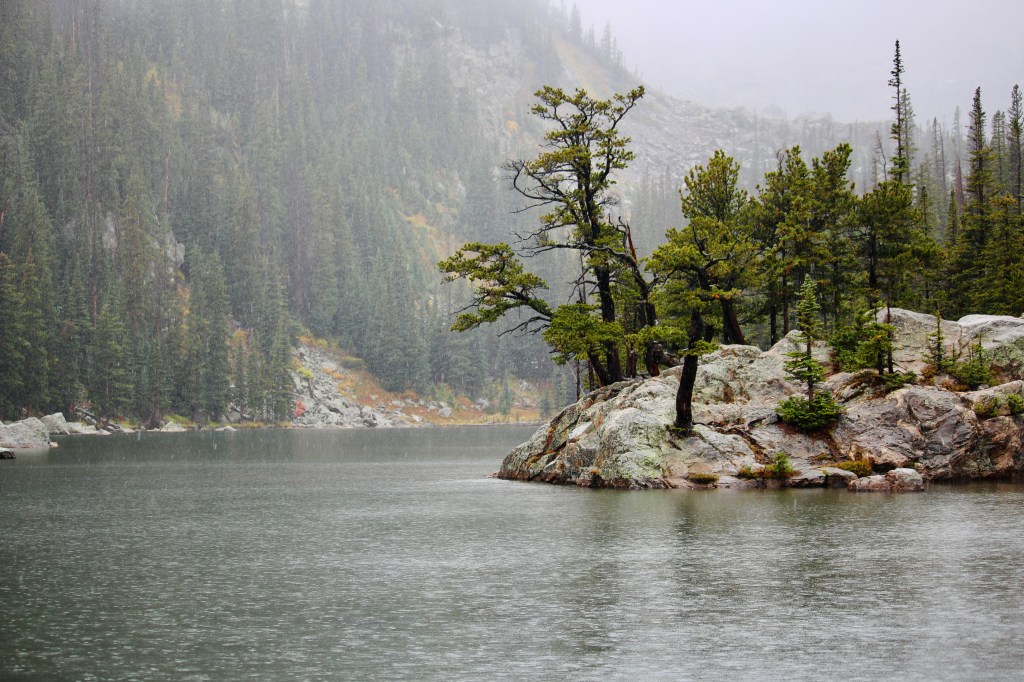
Emerald Lake: framed by steep cliffs, deep green water.
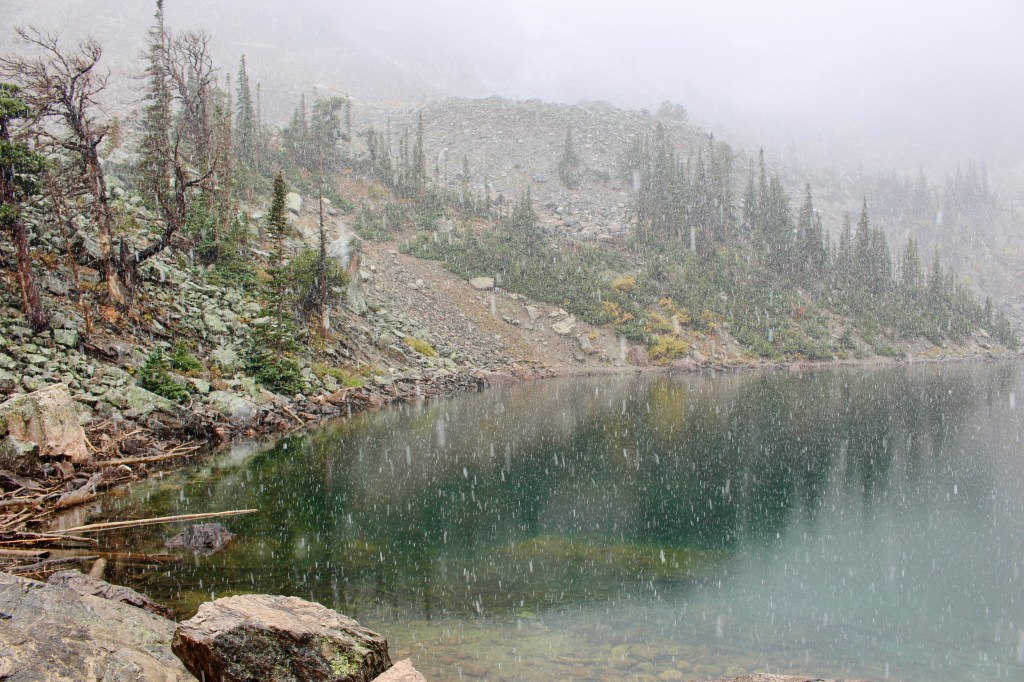
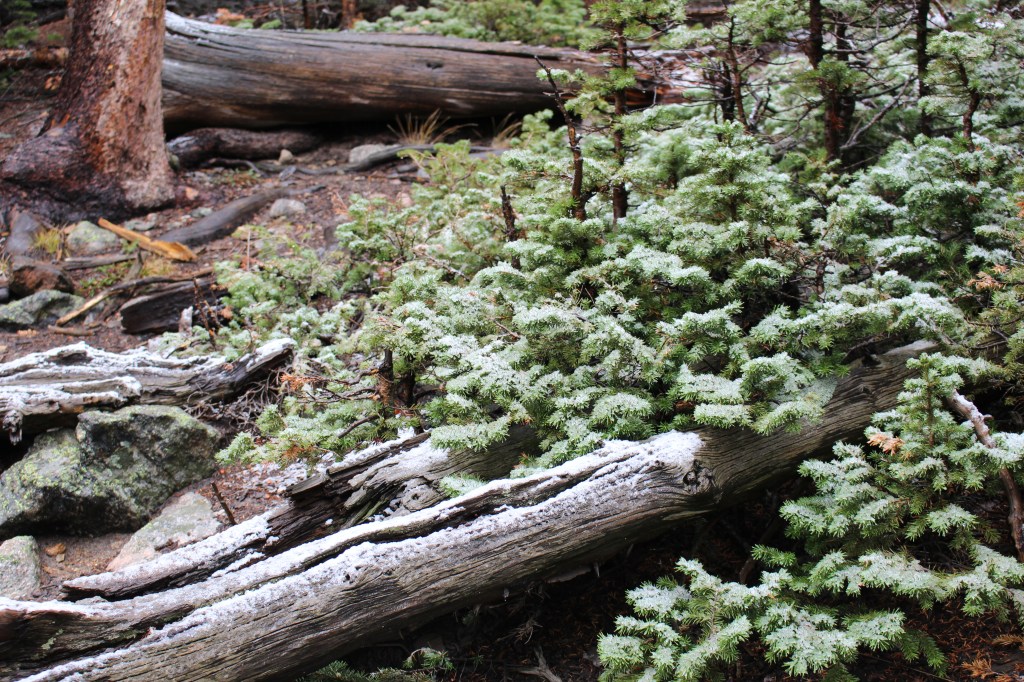
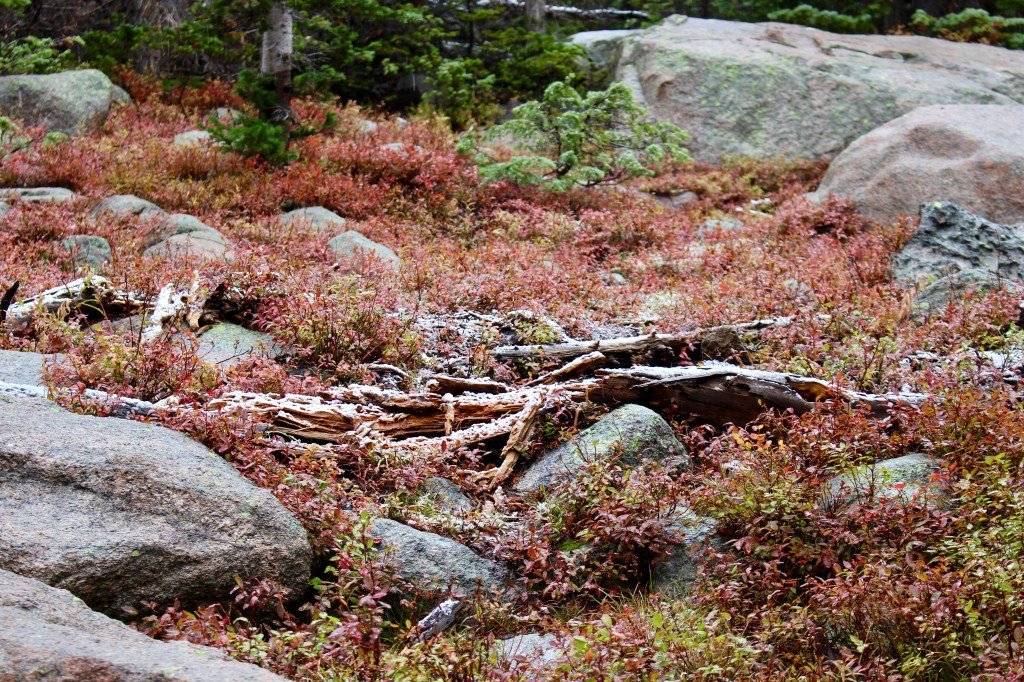
The best part of this hike is that as we climbed toward Dream, Emerald, and Haiyaha, a beautiful snowfall started mid-hike, transforming the landscape into a winter wonderland like something out of a fairy tale. The snowflakes danced around us, creating a magical atmosphere. The serenity of the moment allowed us to feel truly connected to the environment, embracing the quiet that only a snowfall can bring. It’s vital to have good gear for such adventures. The waterproof and windproof jacket and pants are essential to keep warm and dry, along with a sturdy hiking pole that provides balance on the slippery terrain. Additionally, protecting eyes from the reflection off the snow with quality sunglasses is important when walking in snowy conditions. Like the saying, it’s always no bad weather, but bad gears.
After hiking, we went to La Cocina de Mama, a low key Mexican restaurant in town. We got chicken and beef fajitas plus guacamole with freshly fried tortilla chips (so good we took leftovers for dinner). Their chips are seasoned with a bit of spice and salt, highly recommend.
09/24 – Horseshoe Park & Indian Peaks Wilderness
Due to the previous storm, Old Fall River Road and parts of Trail Ridge Road were still closed past Rainbow Curve. So instead, we visited Hidden Valley, once a ski resort in the mid 1900s. While the lifts are long gone, the area still has picnic tables and the only flush toilets inside the park! We also heard moose sometimes show up here. Unlike bears, moose are more unpredictable and can be aggressive, especially toward dogs, which they confuse with wolves.
We also stopped at Horseshoe Park, a breathtaking vista that offered stunning views of the surrounding mountains and lush greenery, and then continued our journey to Sheep Lake, where the tranquil waters reflected the sky, creating a picture perfect scene.
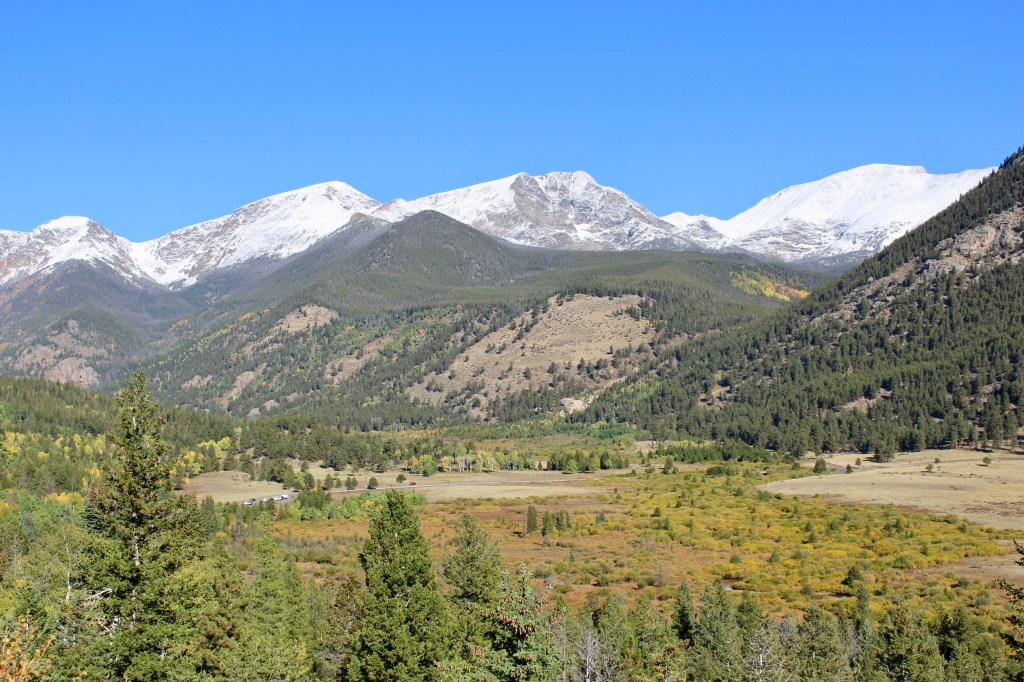
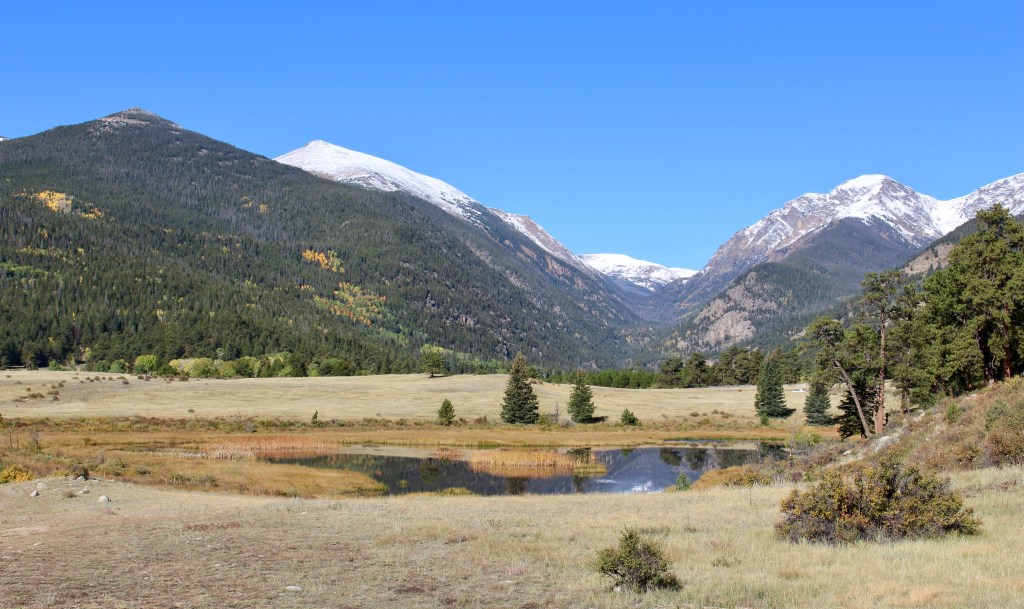
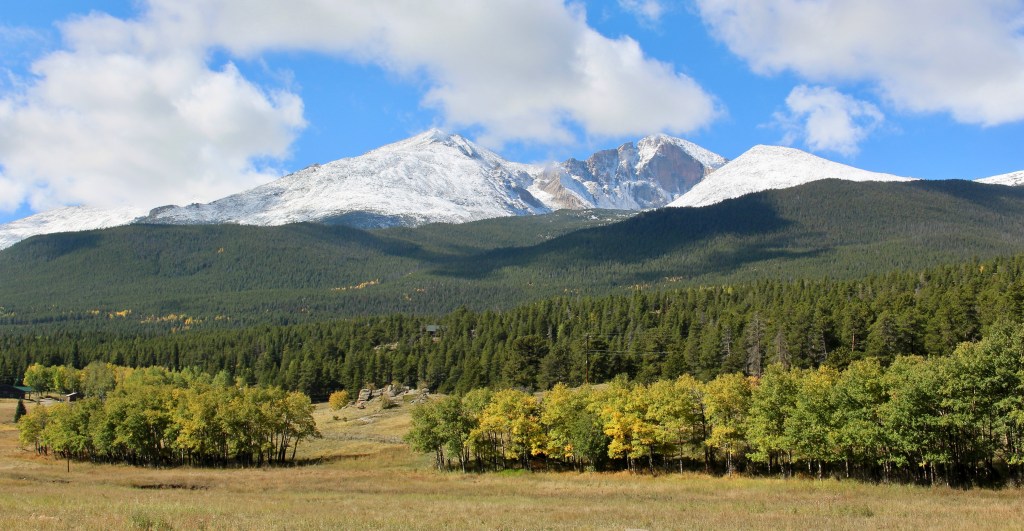
We exiting via Fall River Visitor Center, and began the scenic drive south along Peak to Peak Highway, making stops at:
Longs Peak Viewpoint.
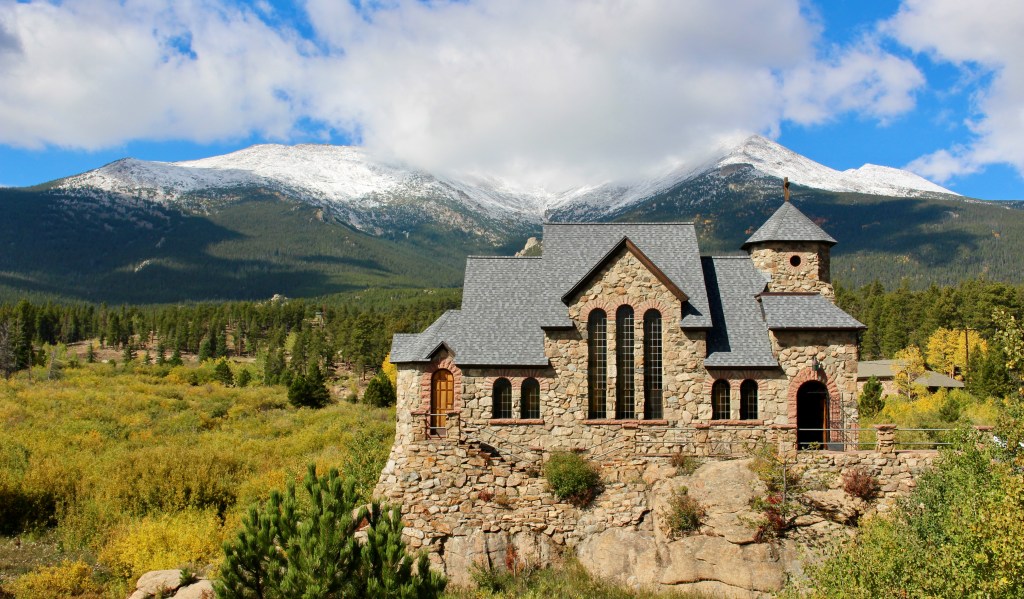
Chapel on the Rock: a stone chapel built into the base of a mountain.
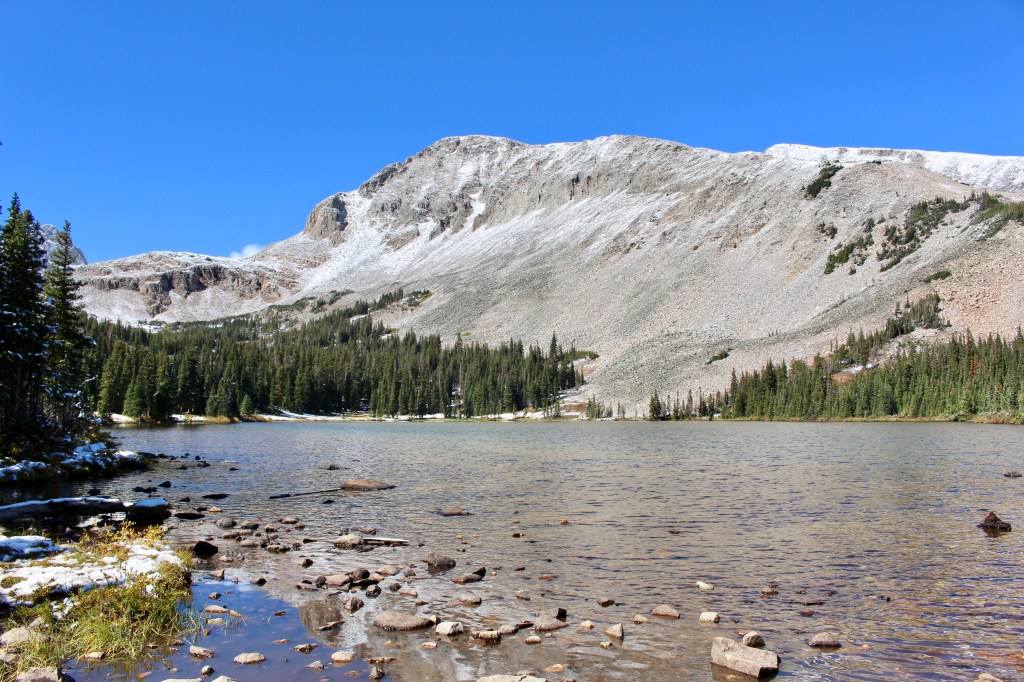
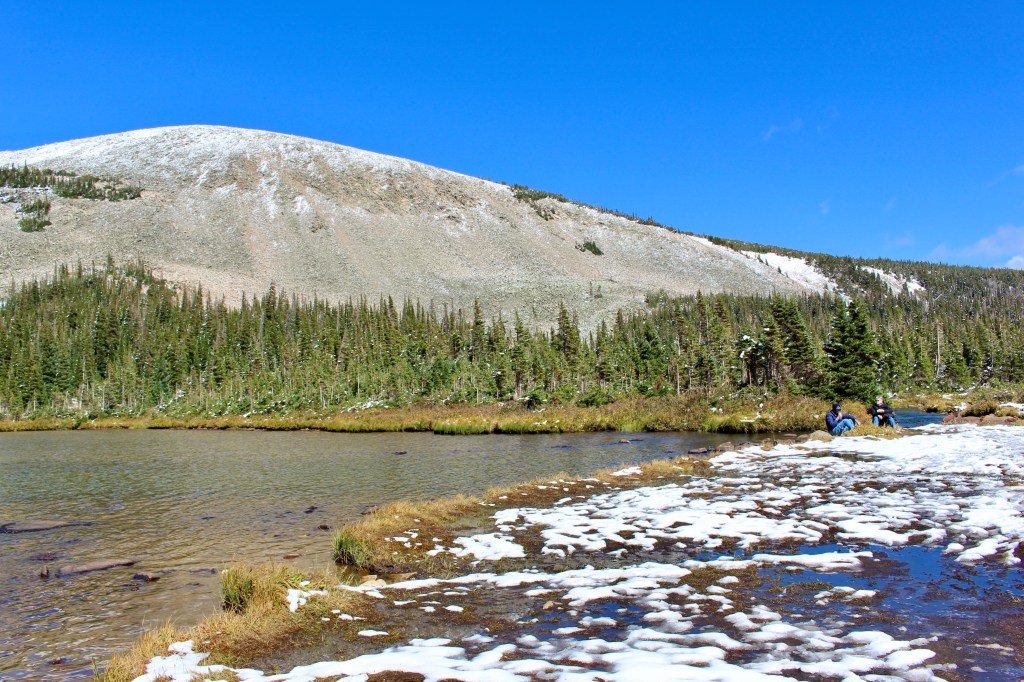
Indian Peaks Wilderness: originally not in our plans due to permit requirements, but we lucked into a same day Mitchell Lake Trailhead reservation. The 2-mile out-and-back trip to Mitchell Lake was quiet, snowy, and stunning. The trail to Blue Lake was slippery from snow, so we skipped it, but honestly, Mitchell Lake was beautiful enough. Compared to RMNP, this area had even more aspen trees. The contrast with the snow was spectacular. Definitely worth a return visit.
We ended the day in Denver with Aki Asian Hot Pot, an AYCE spot next to GW Market. Great value and tasty broth, exactly what we needed after a cold, outdoorsy day.
09/25 – Red Rocks & Dinosaur Ridge
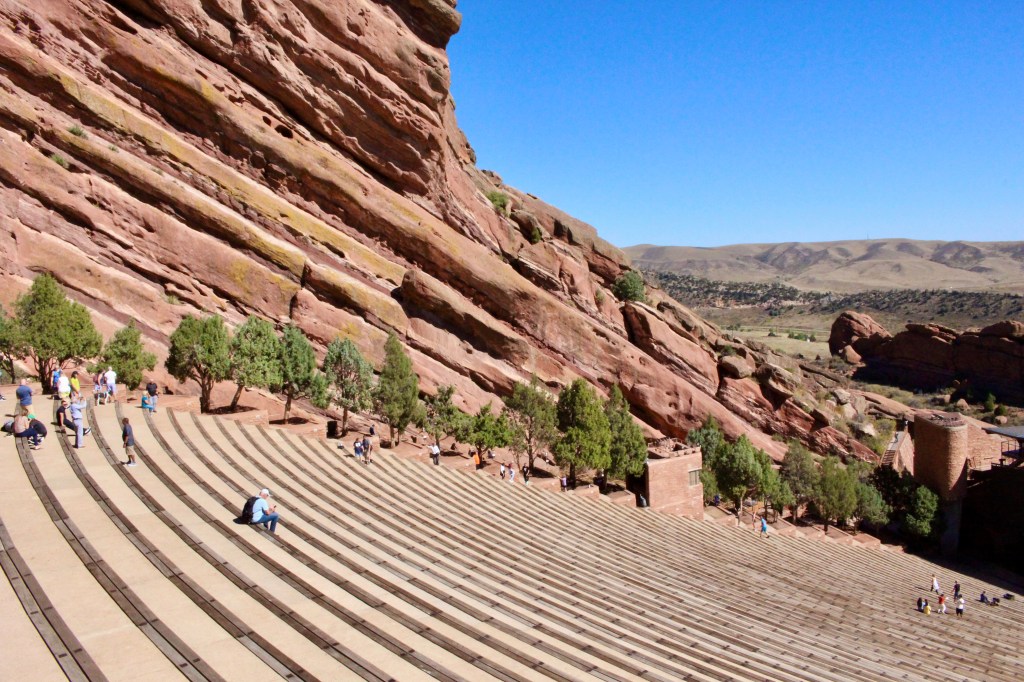
The first stop was at Red Rocks Park & Amphitheatre. We parked near the Trading Post and did the Trading Post Trail, a 1.6-mile loop weaving through towering red sandstone formations. The trail passes by an old incinerator from the mid-20th century. Denver used to burn trash here before shifting to composting and recycling. After the hike, we explored the Visitor Center and amphitheater itself. This world-famous outdoor concert venue has hosted legends from The Beatles to U2. It was inspired by an ancient Greek amphitheater in southern Italy and is flanked by massive formations like “Ship Rock” and “Creation Rock.” We had lunch at Ship Rock Grille inside the amphitheater. My shrimp roll was light and refreshing; my husband’s pasta was solid. Prices were fair too, definitely recommend.
After lunch at Red Rocks, we headed over to Dinosaur Ridge, which turned out to be way more interesting than we expected. This site is actually one of the most important fossil locations in the US. It’s where the first Stegosaurus bones were discovered back in 1876. Along the Dinosaur Ridge Trail, which is a paved road winding up a small hill, we found dozens of interpretive stops showing off visible fossils in the rocks. You can either join a guided bus tour from the Visitor Center or walk the trail yourself (which is what we did). Private vehicles aren’t allowed on the fossil road to help preserve the site. Some highlights from the walk:
Dinosaur footprints: the tracks cover a large rock face.
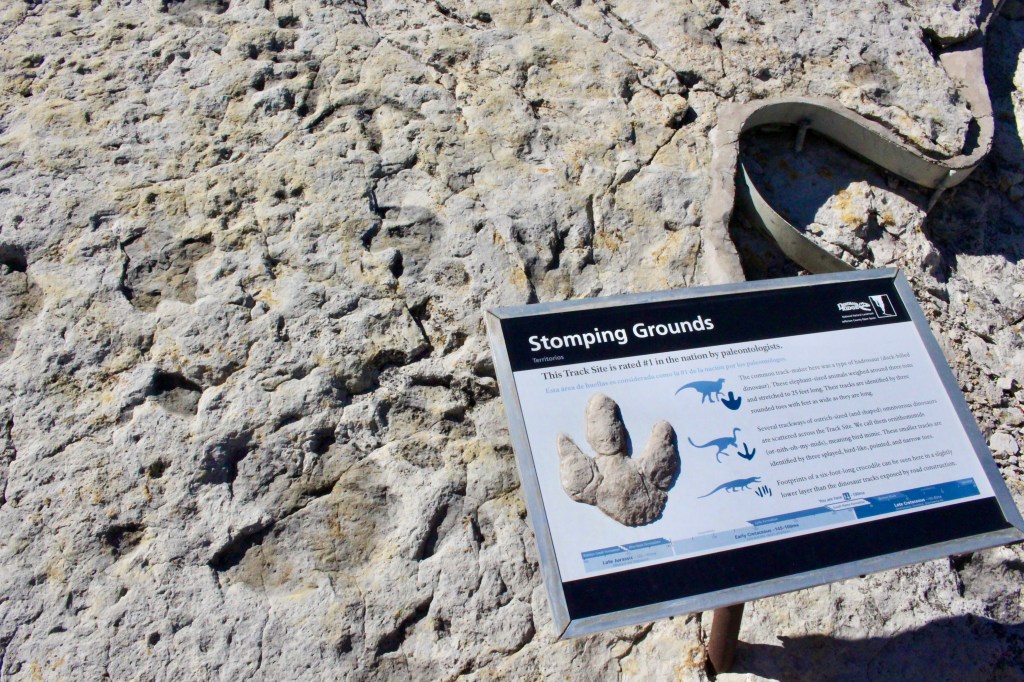
Crocodile scratch marks: this area was a shallow sandy shoreline over 100 million years ago, back when Colorado was an inland sea. The crocodiles dragged their claws as they walked, and those grooves got preserved.
Ripple marks: wave patterns on some rocks, left behind by water currents on ancient beaches.
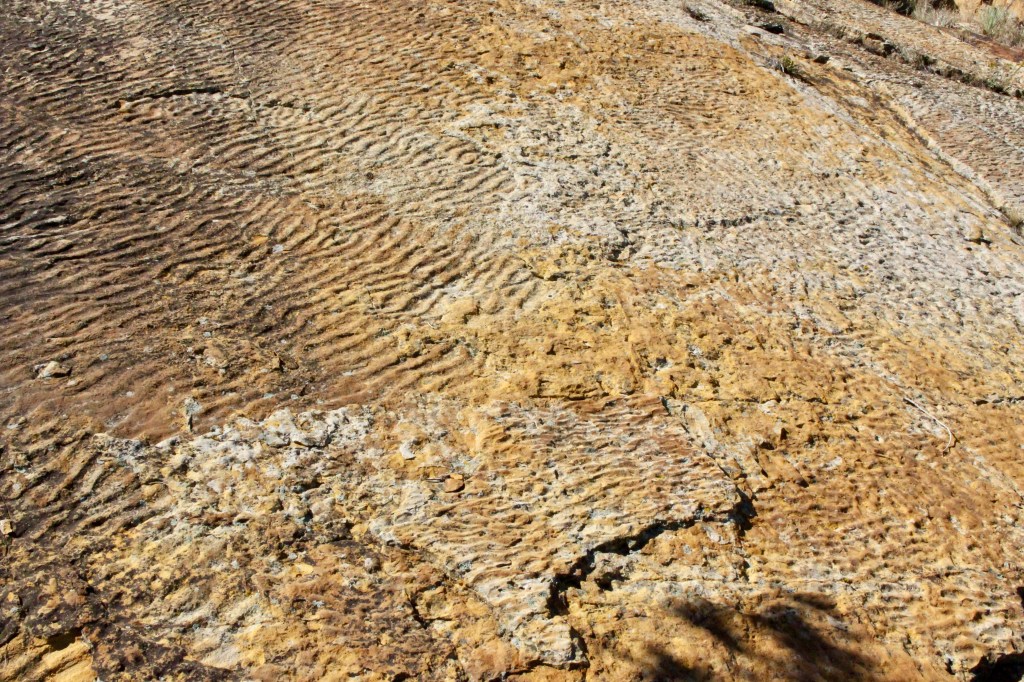
Worm and shrimp trails: Small squiggly traces in the rock show how marine creatures once burrowed through mud.
Rare raptor track: there’s an actual raptor footprint. Definitely rare since there are only two confirmed raptor tracks that have ever been found in the entire U.S.
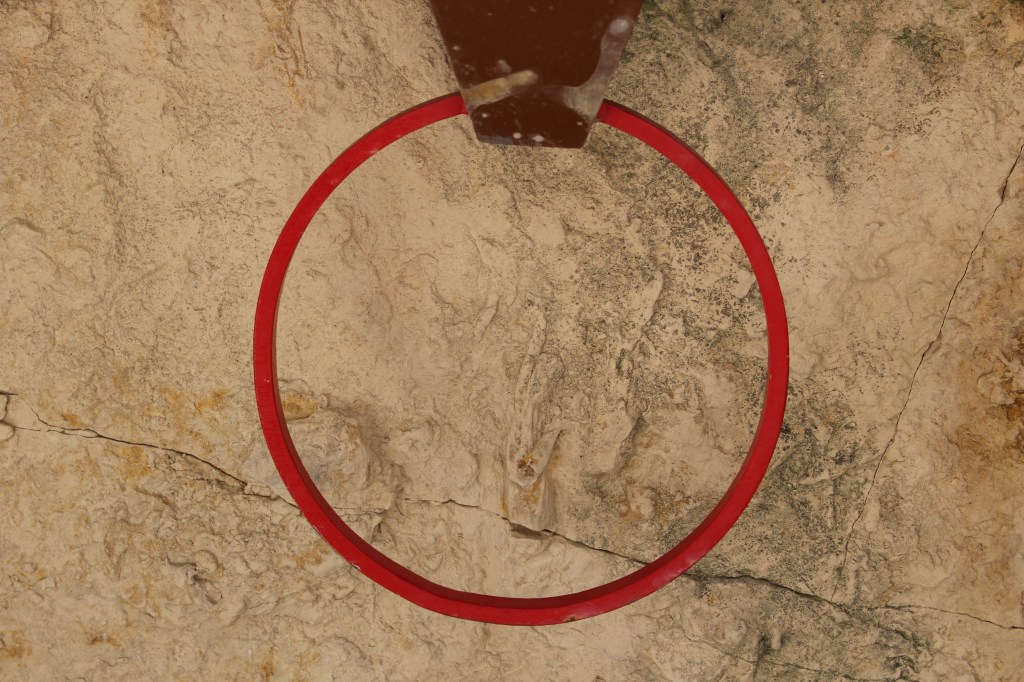
Fossilized dinosaur bone cross-sections: a few deep brown fossil bone slices, clearly visible where erosion cut through the rock layers.
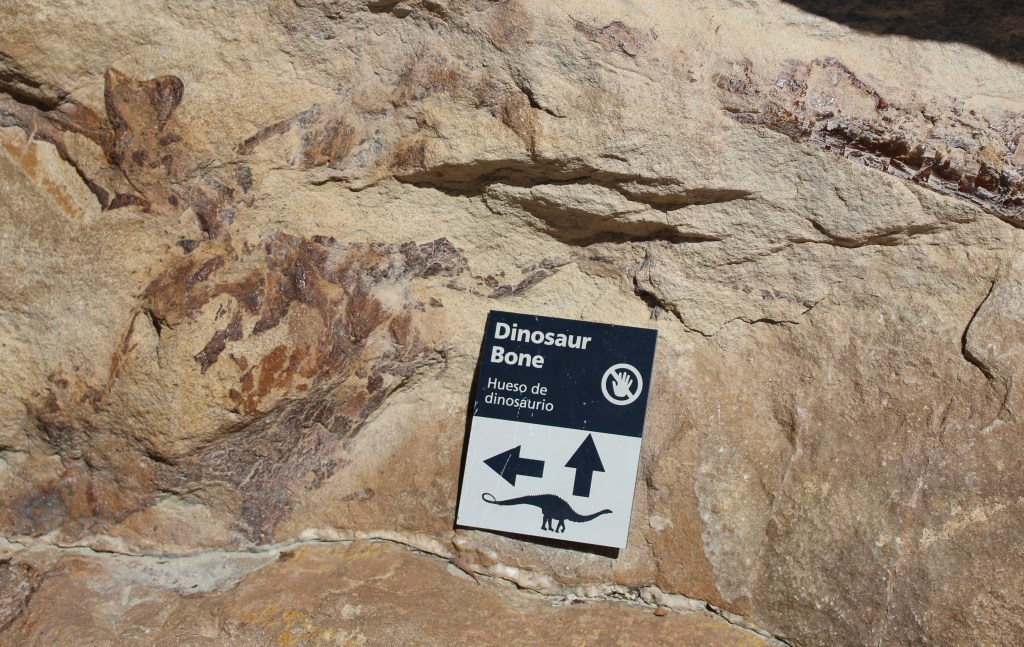
It felt like walking through time. With every step, you could see a little more of what life looked like here 100 million years ago. Honestly, it was one of the most unexpectedly awesome stops of the trip.
Dinner was at Silla Korean Restaurant, conveniently located near H-Mart, which made it an ideal spot to enjoy authentic Korean cuisine. Their soft tofu stew is AMAZING, boasting a rich and flavorful broth that perfectly complements the silky texture of the tofu. Additionally, the meal comes with an array of refillable side dishes. We loved it so much that we couldn’t resist returning the next night.
September 26 – Pikes Peak & Garden of the Gods
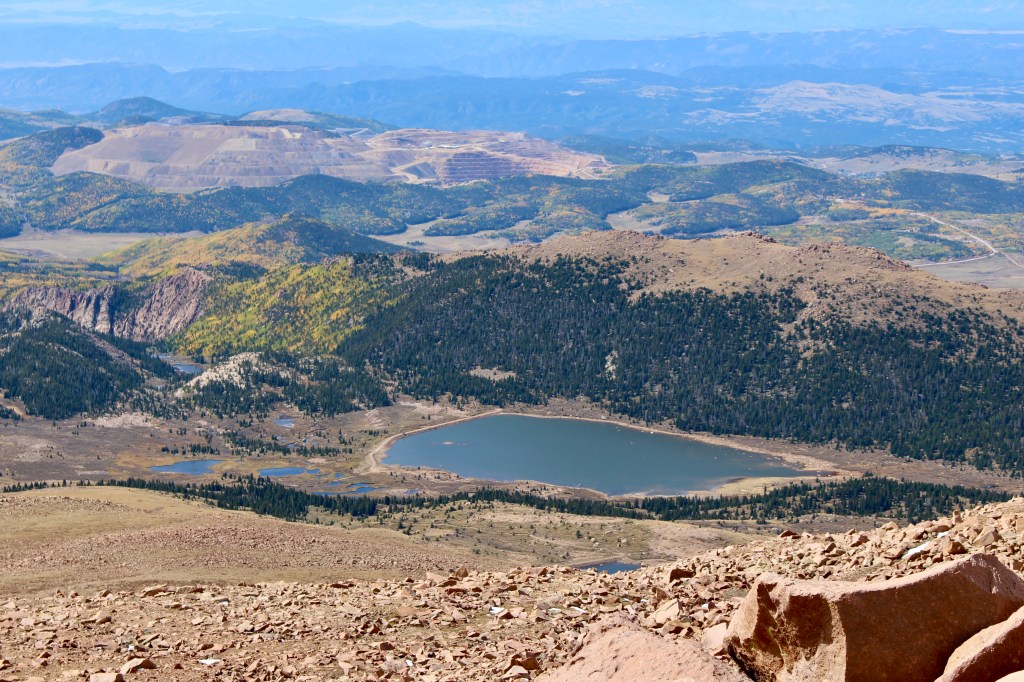
This was our last day. We drove to Colorado Springs and took the Pikes Peak Cog Railway, one of the highest railways in North America, climbing to 14,115 feet. We had 10 AM tickets. The depot parking opens at 9:30, and it gets crowded, so go early. The full journey takes about 3 hours: 1 hr 10 min up, 50 min at the top, and 1 hr back down. It was freezing at the summit, with wind and snow still on the ground, so bring layers!

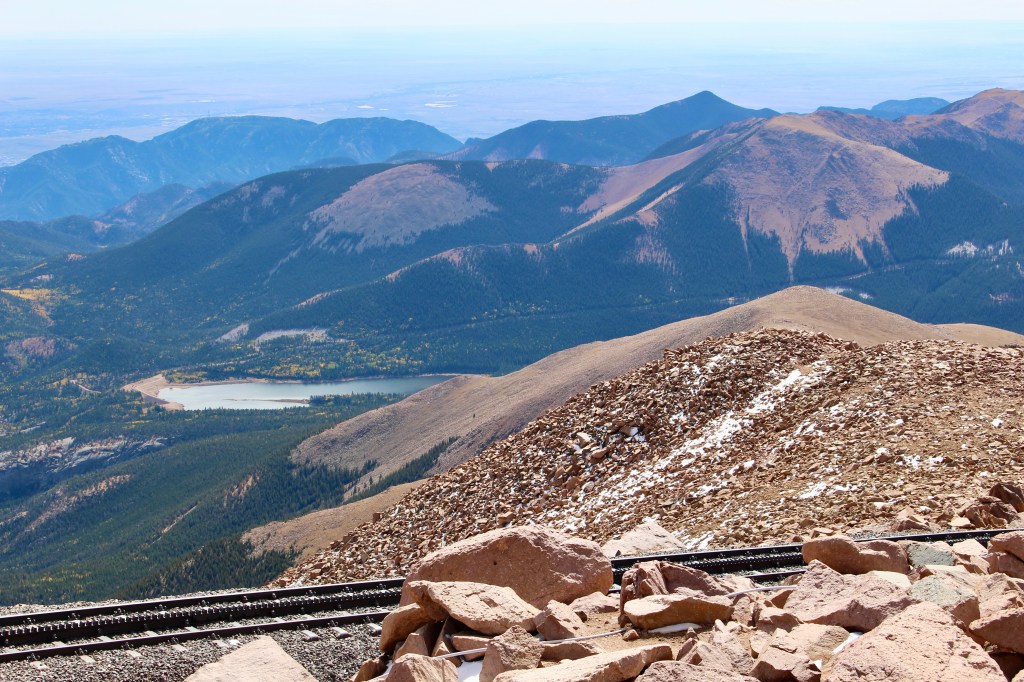
The left side of the train has better views, and the conductor shared fun facts, including how tickets used to cost $5 back in 1900s. We sat next to a couple from St. Louis who were on a camping trip. We swapped stories and tips, it was one of those lovely travel conversations that stay with you. Pikes Peak also hosts the International Hill Climb, a legendary race with 156 turns. You can also hike up via Barr Trail (8–10 hours) or drive the switchback heavy Pikes Peak Highway to the top.

We visited Garden of the Gods in the afternoon, a public park filled with red rock formations. It was hot and sun burning, so we used the TravelStorys audio guide and drove instead of hiking. Each rock has a creative name, like “Kissing Camels” or “Balanced Rock.”
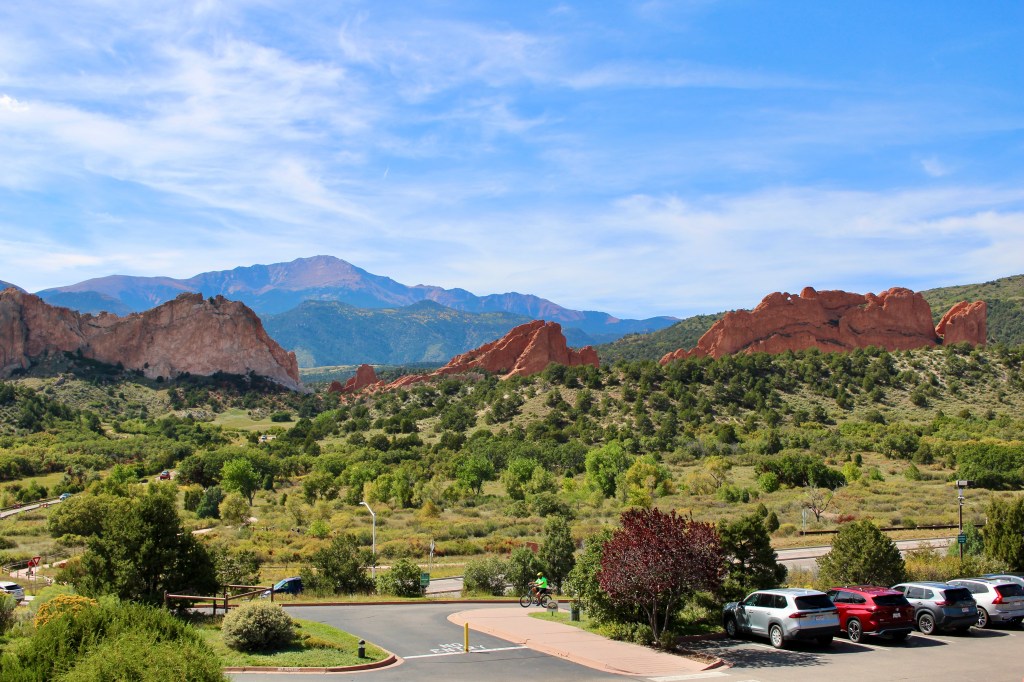
And with that, our Colorado trip came to a perfect close. Already planning our return next year!
 yongjiasong.com